Retaining Walls & Concrete Masonry
We build structural retaining walls and masonry features that manage slopes and enhance your property.
Retaining Walls Solve Slope and Drainage Problems
Sloped properties present challenges that retaining walls solve effectively. They hold back soil on slopes, preventing erosion that washes away your landscape and creates muddy runoff. A properly designed retaining wall creates level areas on sloped lots, turning unusable hillsides into functional yard space. They also protect foundations by directing water away from structures and controlling soil movement.
We design and build retaining walls that handle the specific conditions of your property. Every wall must resist the lateral pressure from the soil it retains, which requires proper engineering and construction techniques. Shortcuts in design or installation lead to walls that lean, crack, or fail completely. Our walls are built right the first time using proven methods.
Common Applications for Retaining Walls
- Creating level yards and terraced gardens on sloped properties
- Preventing soil erosion and protecting landscaping investments
- Managing water runoff and preventing drainage issues
- Supporting driveways and parking areas on hillsides
- Creating raised planting beds and landscape features
- Protecting structures from soil movement and pressure
The right wall design depends on factors like wall height, soil type, drainage patterns, and intended use of the retained area. We evaluate these factors and recommend solutions that work for your specific situation.
Proper Engineering Ensures Wall Stability
Retaining wall design involves calculations for lateral earth pressure, surcharge loads, and factors of safety. Walls over a certain height require engineering analysis and often permits. Even shorter walls benefit from proper design principles that account for the forces they must resist. A reputable concrete contractor works with structural engineers when needed to meet code requirements and build a wall that performs reliably.
The foundation is critical for any retaining wall. We excavate below frost depth and pour a concrete footing sized appropriately for the wall height and soil conditions. The footing must be wide enough and heavy enough to prevent the wall from sliding or overturning. Drainage behind the wall is equally important because water buildup creates pressure that can push the wall over.
Drainage and Backfill Details
Every retaining wall needs a drainage system that prevents water from building up behind it. We install drainage pipe at the base of the wall and use free-draining gravel backfill material. This allows water to flow down to the drain pipe and exit through weep holes or drain outlets. Without proper drainage, hydrostatic pressure builds up and can cause even well-built walls to fail.
The backfill process requires careful compaction in lifts to prevent settling. We never just dump soil behind a wall and hope for the best. Proper compaction ensures the soil stays in place and does not create voids that allow movement. These details take extra time but make the difference between a wall that lasts and one that develops problems.
Concrete and Masonry Construction Methods
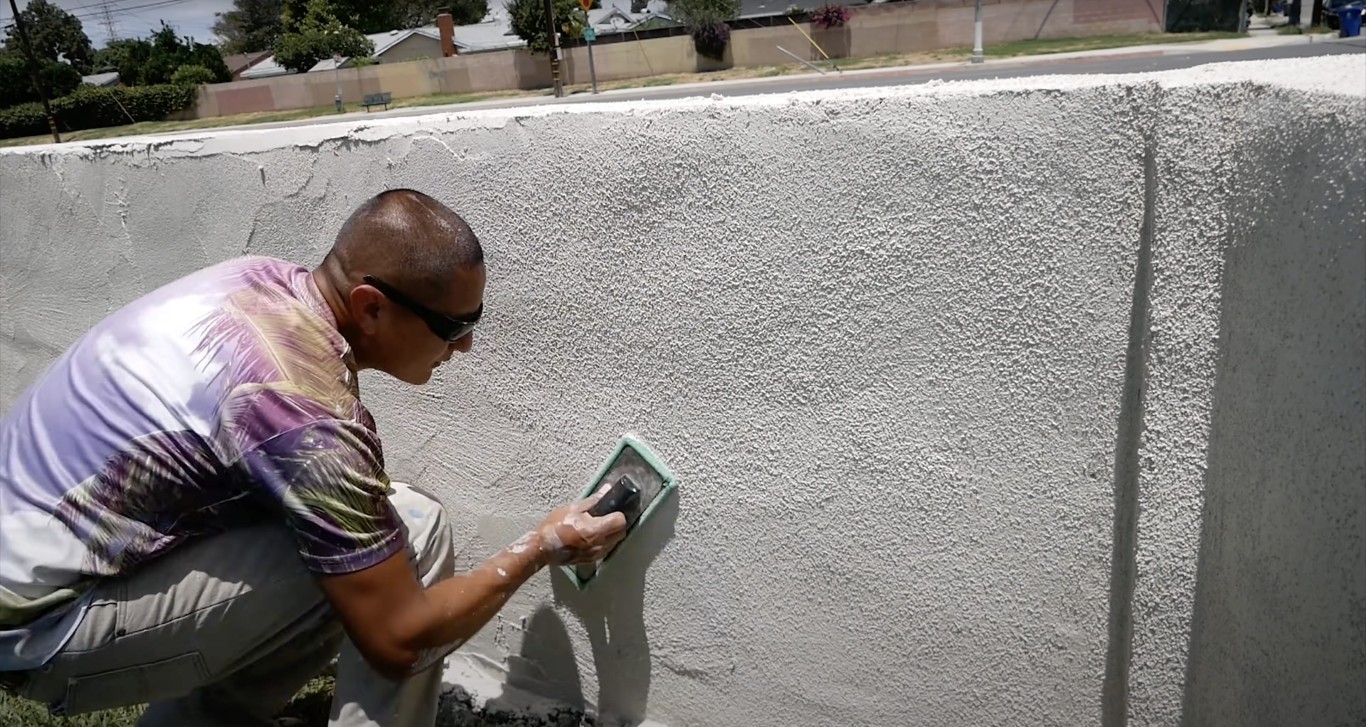
We build retaining walls using several construction methods depending on your needs and preferences. Poured concrete walls offer maximum strength and can be formed to any shape. These monolithic structures work well for tall walls or areas with challenging soil conditions. The concrete can be finished smooth, textured, or faced with stone or brick for decorative appeal.
Concrete block walls use interlocking masonry units that stack to create strong, attractive structures. Modern retaining wall blocks come in many styles and colors. Some interlock mechanically while others rely on weight and proper backfilling. Block walls work well for residential applications and offer design flexibility at reasonable cost.
Additional Masonry Services
Beyond retaining walls, we handle other concrete masonry projects. Block foundation walls, decorative garden walls, outdoor kitchen structures, and pillars all fall within our capabilities. We work with standard concrete blocks, decorative blocks, and natural stone. The techniques vary but the attention to proper footings, drainage, and structural integrity remains consistent.
For properties that need both hardscaping and structural solutions, we coordinate the entire project. Your patio might integrate with a retaining wall that creates the level area. Walkways can connect different terrace levels created by walls. We see the big picture and help you develop a comprehensive plan for your property improvements.
Retaining Wall Questions Answered
Property owners considering retaining walls typically have these questions about the process and requirements.