
Sidewalks, Walkways & Flatwork
We create safe, attractive concrete pathways that connect your property and enhance curb appeal.
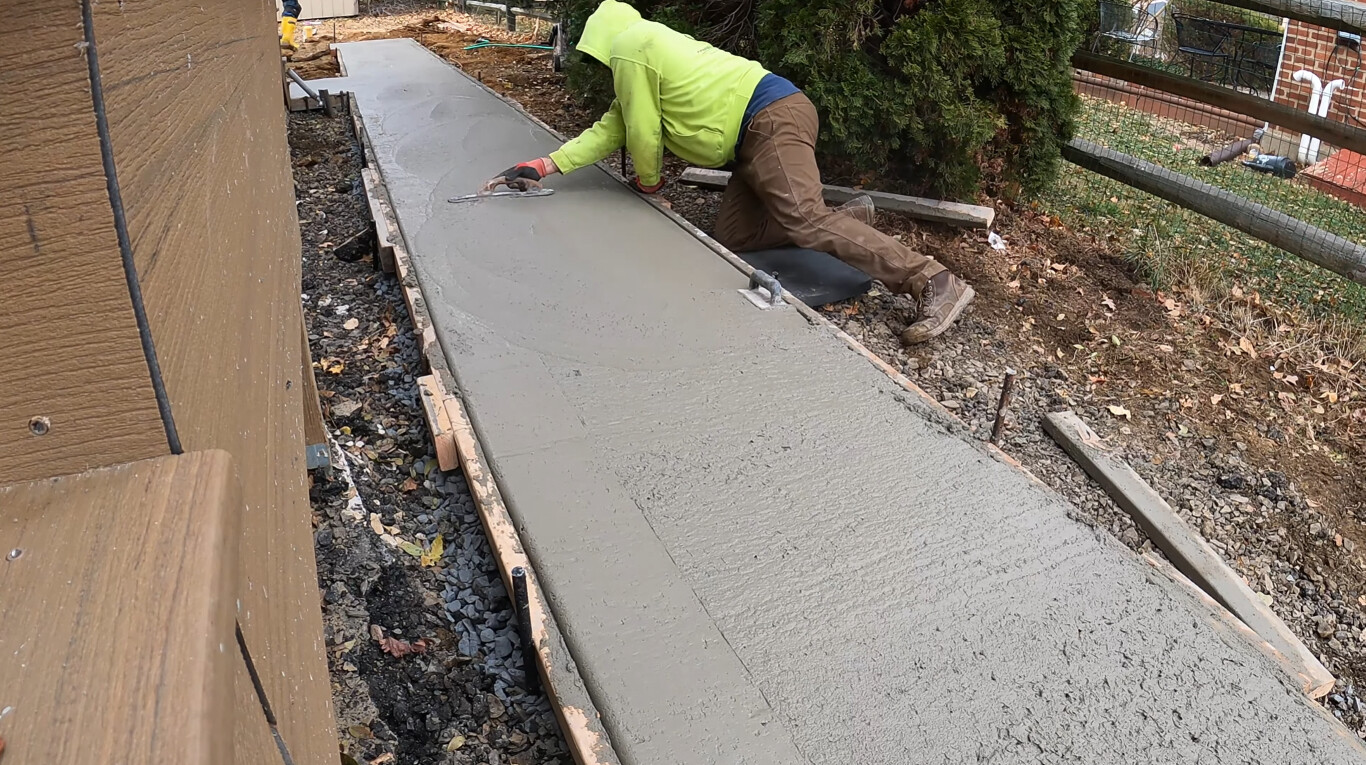
Why Quality Walkways Matter for Your Property
Walkways and sidewalks serve important functions beyond just getting you from point A to point B. They guide foot traffic along intended paths, which protects your lawn and landscaping from worn dirt trails. Well-designed walkways improve safety by providing stable, even surfaces that reduce tripping hazards. They also define different areas of your property and create visual interest in your landscape.
Concrete makes an excellent walkway material because it handles constant foot traffic without wearing down. Unlike gravel or mulch paths that require regular replenishment, concrete stays put and maintains its appearance. It does not rot like wood or shift like pavers. Our concrete walkways provide decades of reliable service with minimal upkeep.
Key Benefits of Professional Concrete Walkways
- Safe, level walking surfaces that remain stable in all weather conditions
- Enhanced curb appeal that adds value to your property
- Proper drainage that keeps water flowing away from foundations and entrances
- Low maintenance requirements compared to other pathway materials
- Accessibility features that accommodate wheelchairs, walkers, and strollers
- Design flexibility with decorative options like stamping, coloring, and exposed aggregate
We help you plan walkways that work well with your property layout and existing structures. The right path location makes a big difference in how convenient and attractive the result turns out.
Designing Walkways That Work With Your Space
Good walkway design considers both function and aesthetics. We look at how people naturally move through your property and design paths that follow those patterns. A walkway that fights against natural traffic flow will get bypassed, leaving you with both an unused path and a worn trail through your grass. We also think about width, making sure paths accommodate comfortable two-way traffic where needed.
The route should make sense and connect important areas efficiently. Front walkways link your driveway or street to your entrance. Side and back walkways might connect your patio, shed, garden areas, or other features. We help you plan routes that balance practicality with visual appeal.
Width and Accessibility Guidelines
Width matters more than many people realize. A 36-inch wide walkway allows one person to walk comfortably or two people to pass each other carefully. We often recommend 48 inches for main walkways, which lets two people walk side by side comfortably. Front entry walks benefit from this wider dimension because it creates a welcoming appearance and handles guest traffic better.
For accessibility, proper slope is critical. Walkways should have enough pitch to drain water but stay gentle enough for wheelchair users and those with mobility aids. We grade walkways carefully to meet these requirements. Transitions where walkways meet driveways, patios, or entries get special attention to eliminate tripping hazards and ensure smooth passage.
Our Professional Flatwork Installation Process
Flatwork is the term we use for any flat concrete surface like walkways, sidewalks, and similar projects. The installation follows the same careful preparation process that makes all our concrete work durable. We excavate to the correct depth, removing grass, roots, and unsuitable soil. The subgrade gets compacted to create a stable foundation that will not settle.
A base layer of compacted gravel provides additional support and helps with drainage. We grade everything precisely so water flows away from structures. Forms get set to the exact dimensions and elevation, with careful attention to creating smooth curves on curved walkways. Reinforcement goes in before the pour to prevent cracking.
Finishing and Curing
After the concrete is placed and leveled, finishing creates the final surface texture. For standard walkways, we use a broom finish that provides slip resistance without being too rough on bare feet. Smooth finishes work well in covered areas but become slippery when wet outdoors. We can also create decorative finishes with stamping or exposed aggregate for more visual interest.
Control joints are cut or formed at regular intervals to control where cracks occur as the concrete cures. Proper curing matters just as much as proper installation. We protect the fresh concrete and keep it properly hydrated during the curing period. This process ensures your concrete work develops full strength and durability.
Frequently Asked Questions About Walkways & Flatwork
We have compiled answers to the most common questions about concrete walkways and flatwork projects.